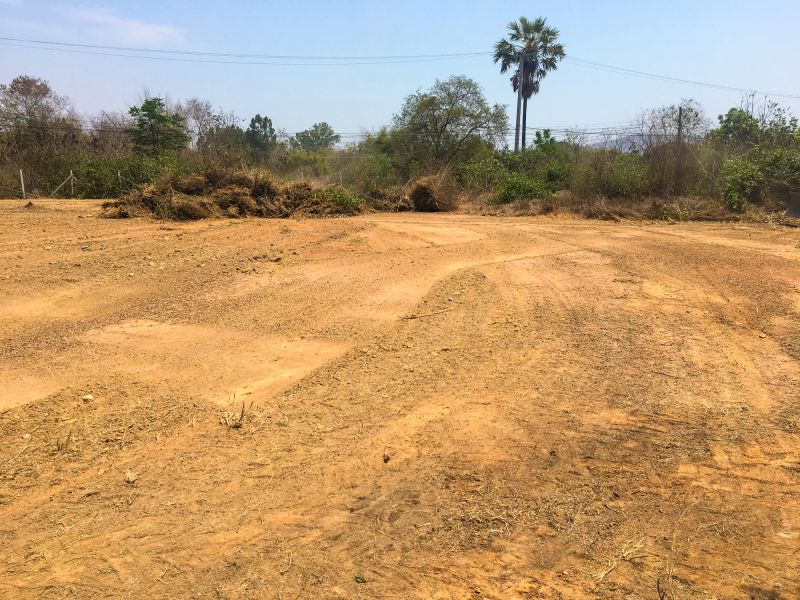
Land Grading in Houston, TX
Land grading services involve shaping and leveling the ground on residential properties to ensure proper drainage, stability, and a solid foundation for construction or landscaping projects. This process typically includes removing excess soil, filling low spots, and creating a gentle slope away from buildings to prevent water pooling and potential damage. Homeowners often request land grading when preparing a yard for new landscaping, installing a driveway, building a patio, or addressing issues caused by uneven terrain or poor drainage.
Before requesting land grading, property owners should understand the current topography of their land and any specific drainage concerns. It’s also helpful to identify areas prone to erosion or standing water, as well as any existing structures or underground utilities that may impact grading plans. Clear communication about project goals and property conditions can help ensure the grading work effectively improves the landscape’s stability and drainage performance.
Many property owners in Houston, TX look into Land Grading for repairs, replacements, upgrades, and appearance-related improvements.
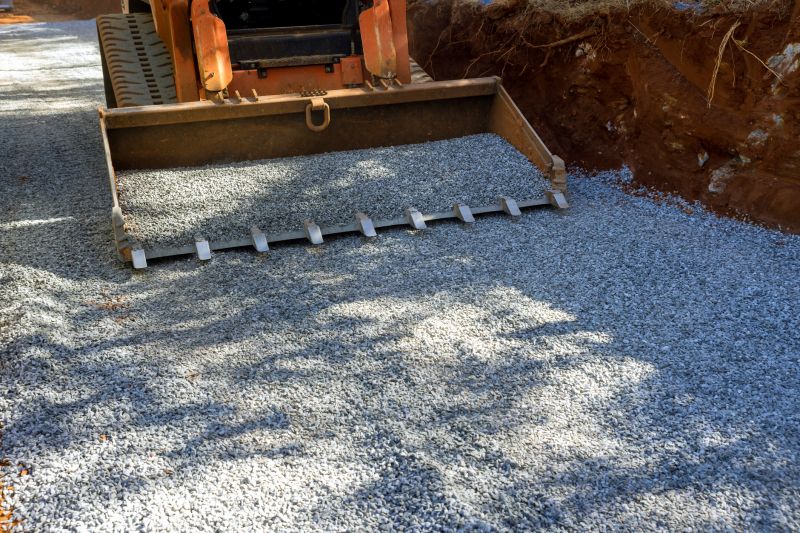
Foundation Preparation
Proper land grading ensures a stable foundation for new construction or home improvements in houston.
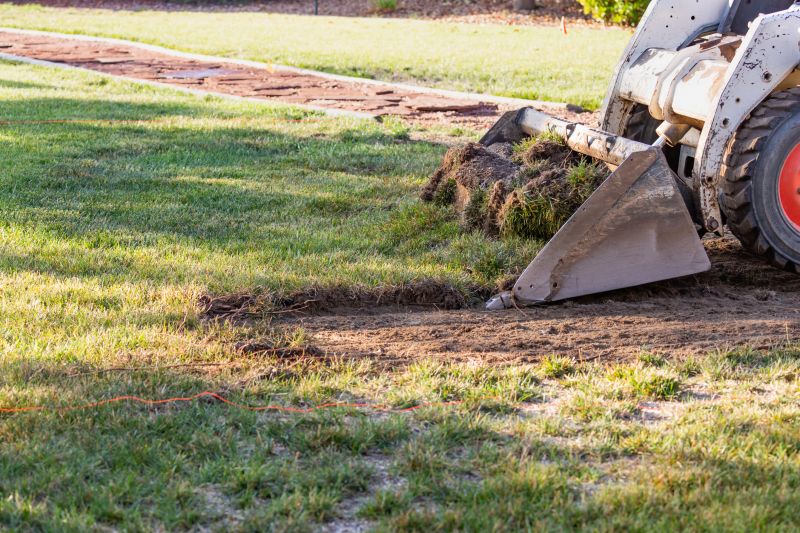
Drainage Optimization
Land grading helps direct water away from structures to prevent flooding and water damage.
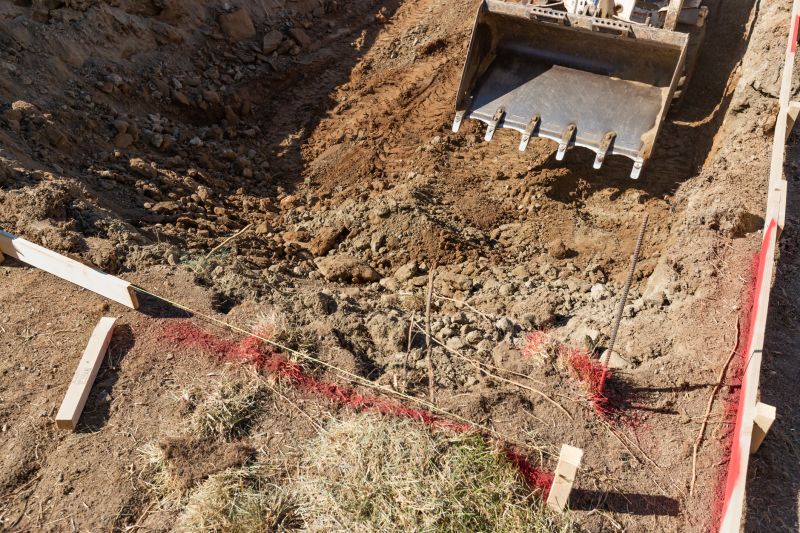
Landscape Enhancement
Effective grading creates a level surface for lawns, gardens, and outdoor living spaces.
Land Grading in Houston, TX
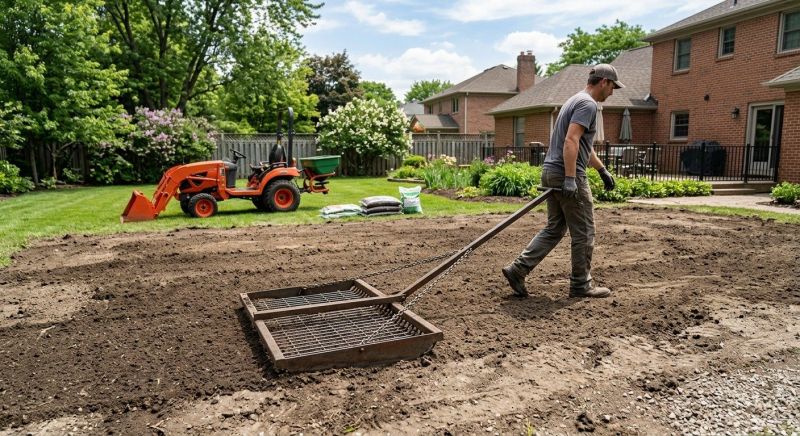
Land grading services involve shaping and leveling the ground on residential properties to ensure proper drainage, stability, and a solid foundation for construction or landscaping projects. This process typically includes removing excess soil, filling low spots, and creating a gentle slope away from buildings to prevent water pooling and potential damage. Homeowners often request land grading when preparing a yard for new landscaping, installing a driveway, building a patio, or addressing issues caused by uneven terrain or poor drainage.
Before requesting land grading, property owners should understand the current topography of their land and any specific drainage concerns. It’s also helpful to identify areas prone to erosion or standing water, as well as any existing structures or underground utilities that may impact grading plans. Clear communication about project goals and property conditions can help ensure the grading work effectively improves the landscape’s stability and drainage performance.
Many property owners in Houston, TX look into Land Grading for repairs, replacements, upgrades, and appearance-related improvements.
Common Land Grading Jobs
Residential land grading - prepares yards for landscaping, drainage, and new construction projects.
Driveway and sidewalk grading - ensures proper slope and drainage for safe, level surfaces.
Yard leveling and smoothing - creates an even surface for lawns, gardens, or recreational areas.
Drainage correction - addresses existing water pooling issues to protect property foundations.
Site preparation for construction - provides a stable, properly graded base for building projects.
Erosion control grading - reduces soil loss and stabilizes slopes on residential properties.
Land Grading Questions
What is land grading? Land grading involves shaping the ground surface to ensure proper drainage and a stable foundation for construction or landscaping projects.
Why is land grading important for property owners? Proper grading helps prevent water accumulation, reduces erosion, and creates a level surface for building or landscaping.
What types of projects typically require land grading? Projects like new home construction, driveway installation, lawn leveling, and drainage improvement often need land grading services.
How does land grading affect drainage? It directs water flow away from structures and toward drainage areas, helping to protect the property from water damage.
Request Land Grading in Houston, TX
Use the quote form on this page to share the basics of your project and request more information for the type of work you need.